Crawl space encapsulation defense provides an engineered physical barrier between North Texas black clay soil and structural floor joists. In older neighborhoods across Pantego, Heart of Arlington, and Dalworthington…
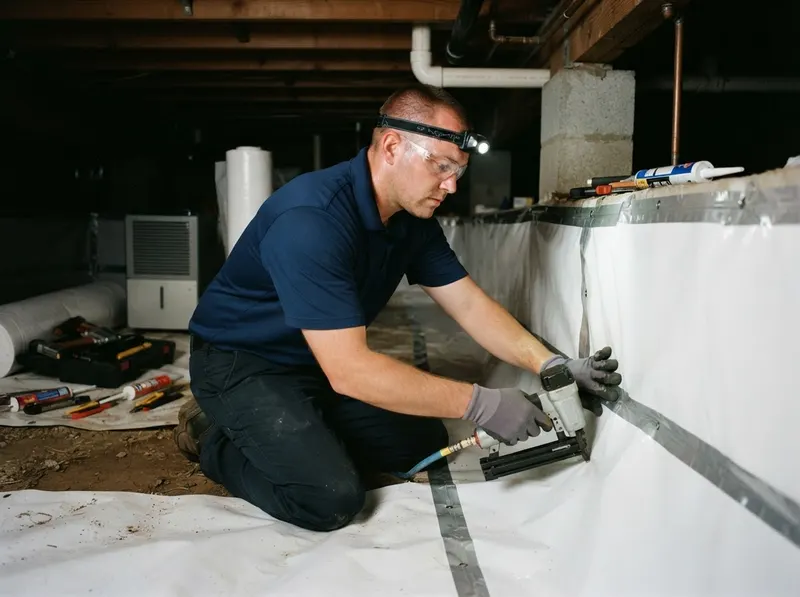
Crawl space encapsulation defense provides an engineered physical barrier between North Texas black clay soil and structural floor joists. In older neighborhoods across Pantego, Heart of Arlington, and Dalworthington Gardens, mid-century pier-and-beam homes sit over dirt crawl spaces prone to severe seasonal shifting and humidity retention. When relative humidity in a Texas crawl space exceeds 70%, sub-floor timbers absorb ambient water vapor, creating an ideal habitat for subterranean termites (Reticulitermes virginicus) and wood-rotting fungus. Open crawl space vents, originally intended to circulate air, instead draw in hot, humid air during North Texas summers while offering unobstructed entry paths for Norway rats, roof rats, and smokybrown roaches seeking harbor near plumbing runs.
Encapsulation resolves these vulnerabilities by converting the under-home cavity into a semi-conditioned envelope. The installation process follows four steps: clearing structural debris from the dirt floor, grading soil away from support piers, trenching a continuous termiticide barrier along foundation stems, and mechanical fastening of a reinforced poly vapor retarder across 100% of the exposed earth with seams taped using low-permeance acrylic mastic. Foundation vent blocks and custom airtight access hatches replace corroded hardware cloth, isolating the sub-structure from yard drainage and neighborhood pest pressure.
Homeowners selecting between spot moisture remediation and complete encapsulation must weigh upfront investment against permanent exclusion. Simple vent repairs or unsealed dirt covers fail when saturated Trinity River watershed soils expand, driving moisture upward through unsealed seam laps into joists. Complete crawl space encapsulation permanently lowers sub-floor relative humidity below 55%, preventing wood rot and denying subterranean pests the moisture required for colony survival. While standard spray treatments require ongoing applications every 60 to 90 days, an encapsulated sub-structure mechanically denies entry to rodents and insects, protecting home equity across Southeast Arlington, Rush Creek, and older properties along Lake Arlington without recurring pesticide exposure inside living quarters.
Every job gets a firm, written price after a free on-site visit.
Tell us about your crawl space encapsulation defense job in Arlington and we'll send a clear, written quote, usually the same day.
 Longhorn Pest Control